
In this blog post, Elena Gonzales, CHM curator of civic engagement and social justice, discusses the history behind Guatemalans’ presence as one of the most populous Latine groups in Chicago and their contemporary footprint in the city.
Guatemaltecos have been here in Chicago for more than a century, but the presence of this community really started to grow in the 1980s as the result of the US-instigated Guatemalan Civil War (c. 1960–96). Now, there are at least 18,800 Guatemaltecos in the Chicago metro area. As a group, Central Americans made up about 5% of the Latine third of Chicago in the 2020 census (which undercounts all Latine people in a statistically significant way).
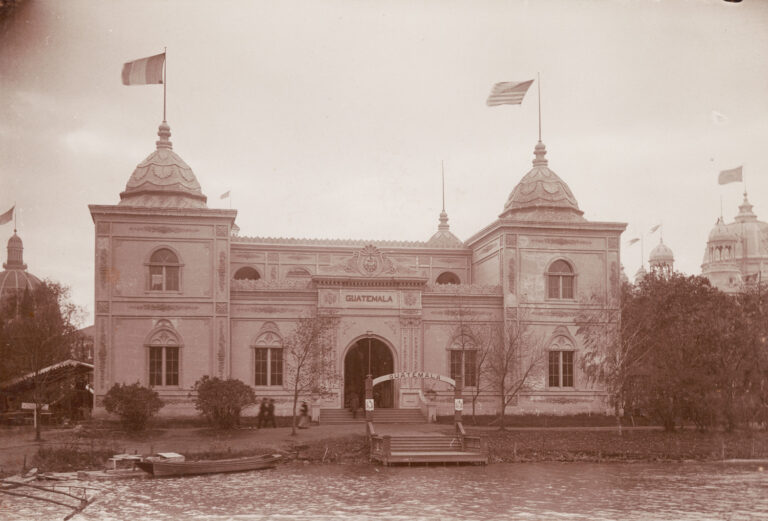
The Guatemalan Pavillion at the World’s Columbian Exposition, Chicago, 1893. CHM, ICHi-023354; Carter Harrison, photographer
Guatemala is still a largely Maya nation of overwhelming Indigenous diversity, including speakers of numerous Maya languages such as Akateko, K’anjobal, Chuj, Q’eq’chi, Chuj, Mam, Kakchikel, and Ixil, which are all spoken in the Chicago area as well. The Chicago History Museum is proud to support the preservation of these languages and more through our Indigenous Language Maintenance Project! If you or someone you know speaks an Indigenous language, please connect with us to record.
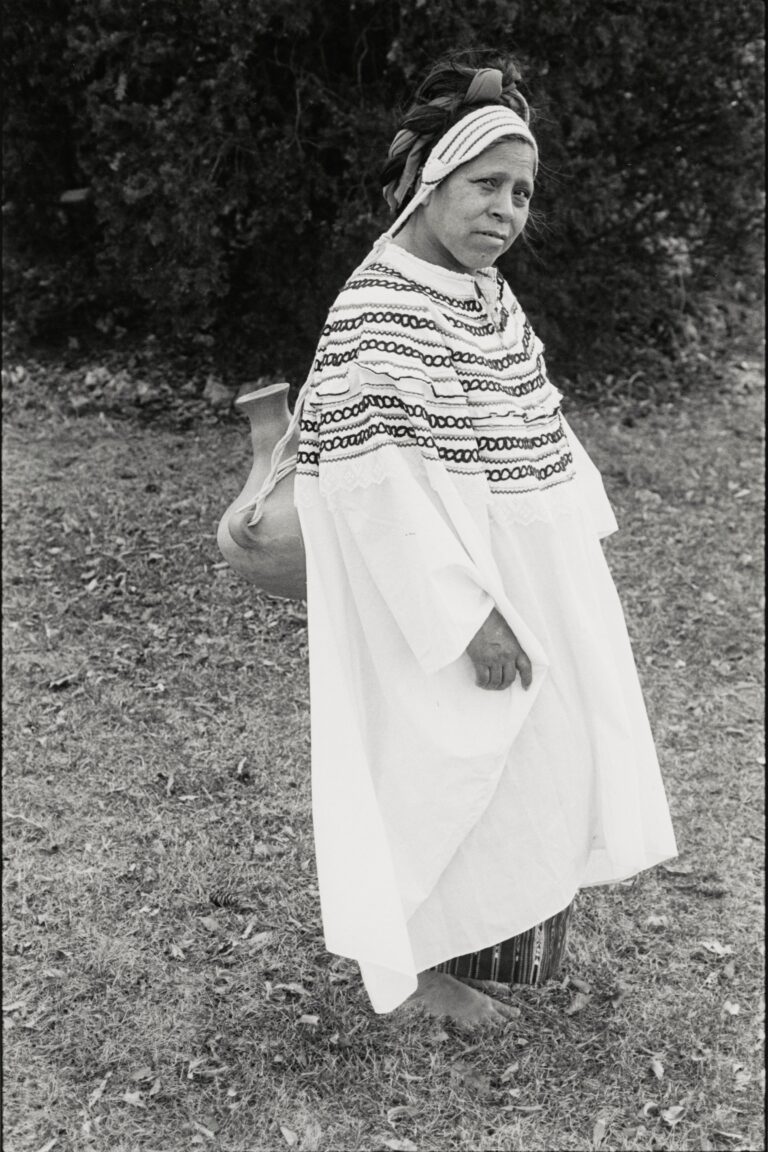
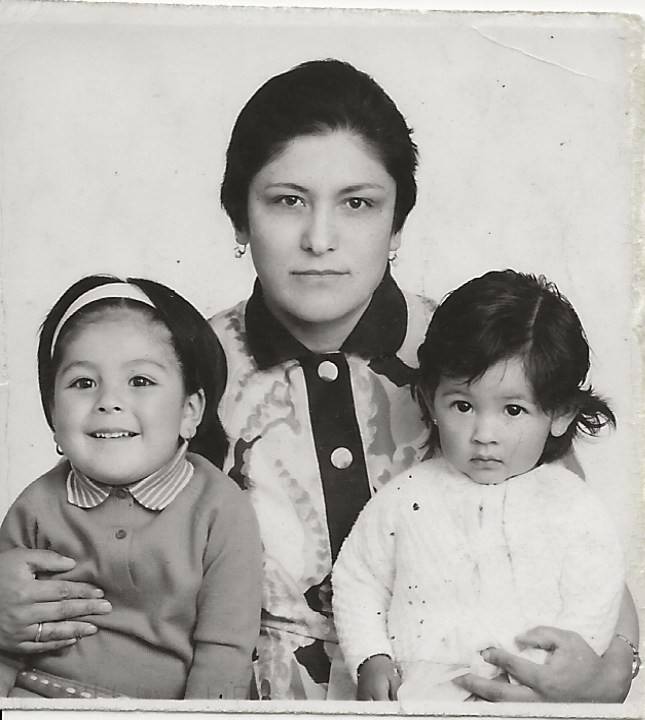
Elena Regina M. Standing, 1989. Photograph by Kay Berkson. Courtesy of Kay Berkson.
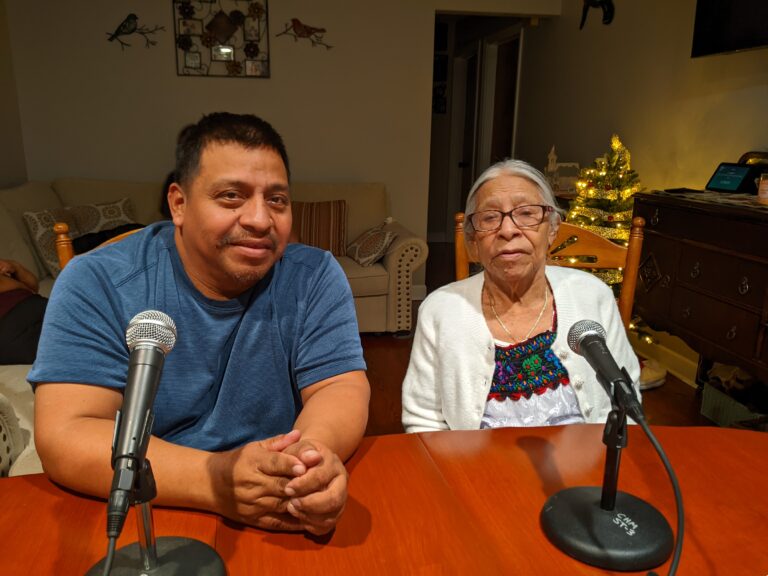
Efrain and Elena Regina M., 2024. CHM Staff Photography, Elena Gonzales. Courtesy of Efrain and Elena Regina M.
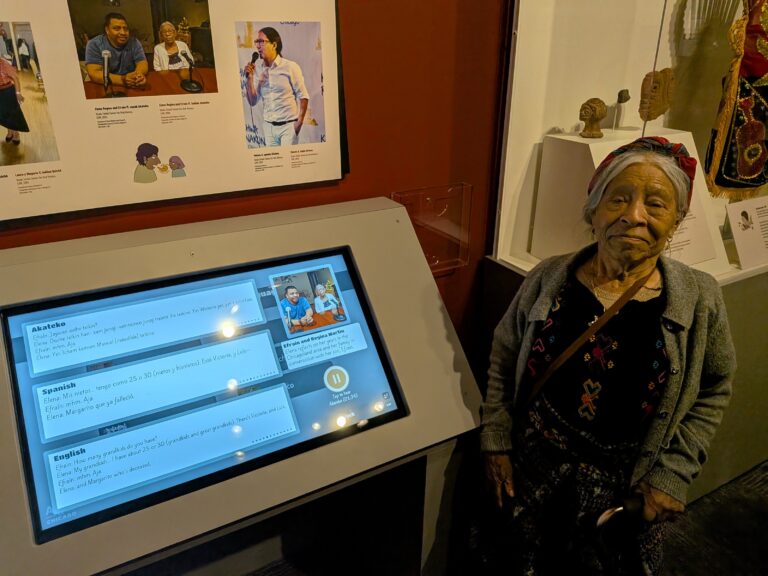
Elena Regina at the opening of Aquí en Chicago, October 25, 2025, near her recording in the language kiosk. CHM Staff Photography, Elena Gonzales, Courtesy of Elena Regina M.
Chicago has been a sanctuary city since 1982, when the Wellington Avenue Church began to offer sanctuary to Guatemaltecos and Salvadoreños fleeing US-instigated violence in their home countries. This violence and related migration have deep roots in US and American history.
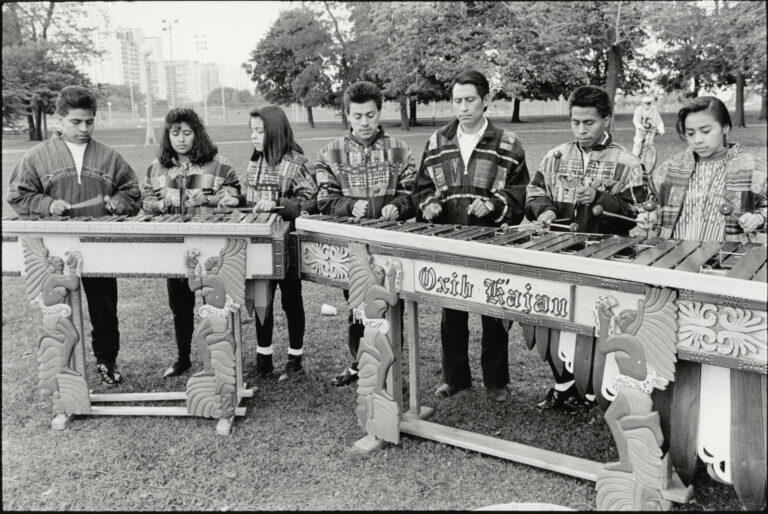
Marimba Players, 1990. Photograph by Kay Berkson. Courtesy of Kay Berkson. Tomás founded Oxib K’ajau, this marimba group, in 1988 after fleeing Guatemala with his family carrying his (smaller) marimba on his back through the jungles of Belize and Mexico.
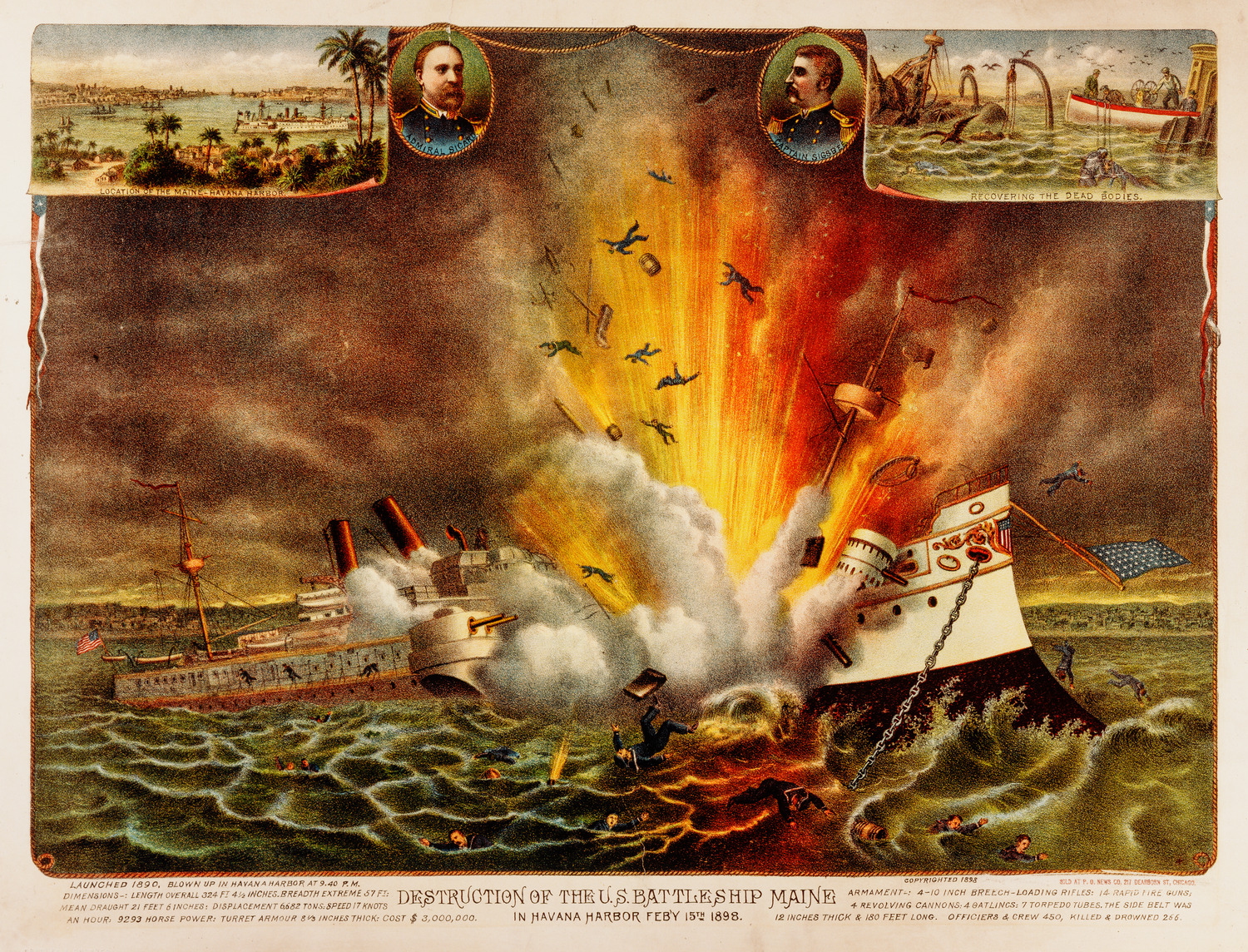
President Theodore Roosevelt regularly intervened militarily in countries such as Guatemala beginning in 1904 with his “Roosevelt Corollary” to the Monroe Doctrine (1823). With this, the United States reserved the right to intervene across the Western hemisphere for the economic benefit of the United States and United Statesian corporations. Over the next eight decades, many US presidents used the Roosevelt Corollary to justify military force across the Americas and the Caribbean.
United Statesian corporations play an important role in Guatemalan history and why Guatemaltecos have made their way to Chicago. In the early 20th century, the United Fruit Company (now Chiquita Brands International) had enough power in Guatemala to lobby US president Woodrow Wilson to overthrow the Guatemalan government and stop strikes.
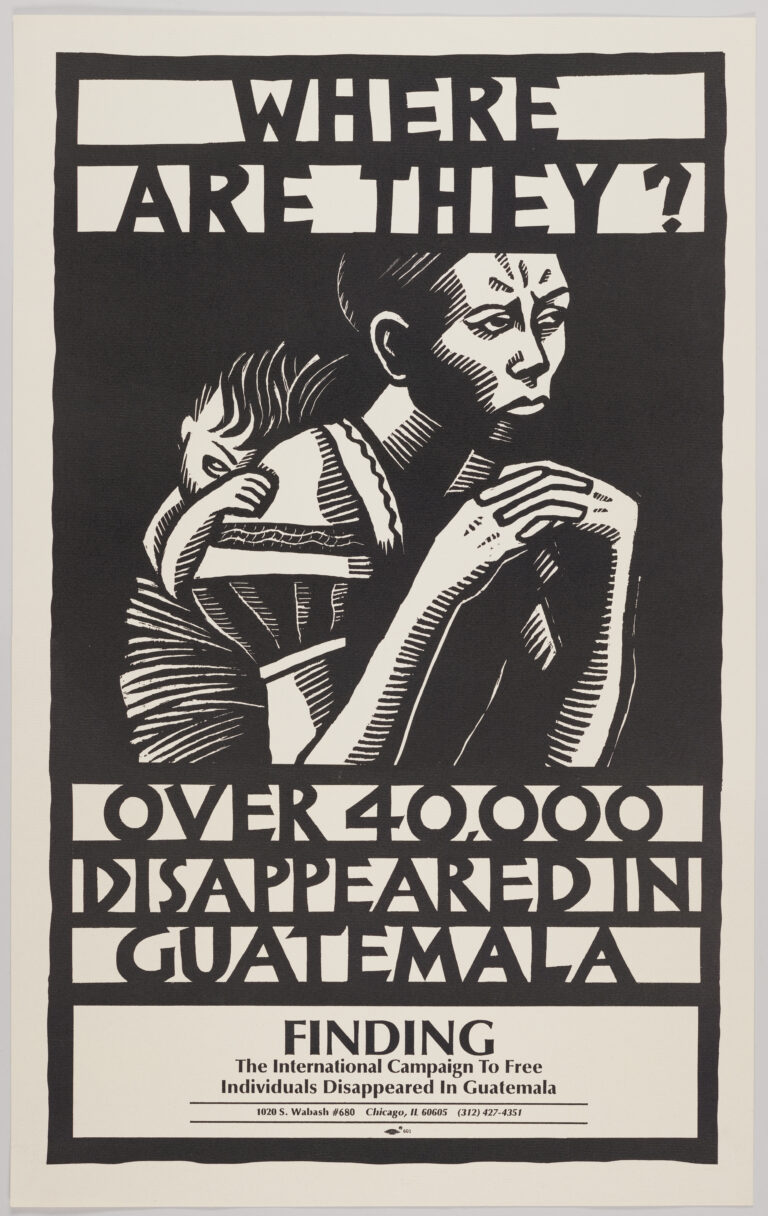
Where are they? Over 40,000 disappeared in Guatemala poster. c. 1980s–1996, The Committee to Free Individuals Disappeared in Guatemala, Gift of Salsedo Press, 2023.4.1-.6
Guatemaltecos elected Jacobo Árbenz as president in 1951, and he strongly limited the power of the United Fruit Company with his Agrarian Land Reform, returning land to 100,000 Indigenous families within two years. The United Fruit Company retaliated, convincing President Dwight D. Eisenhower to overthrow the government once again. When the United States overthrew Árbenz in 1954, the US-backed opposition took power and began the genocide of Maya peoples. President William J. Clinton acknowledged this with a formal apology in 1999, but Guatemaltecos still face challenges achieving safety in the United States, where they have fled from these repeated violent episodes.
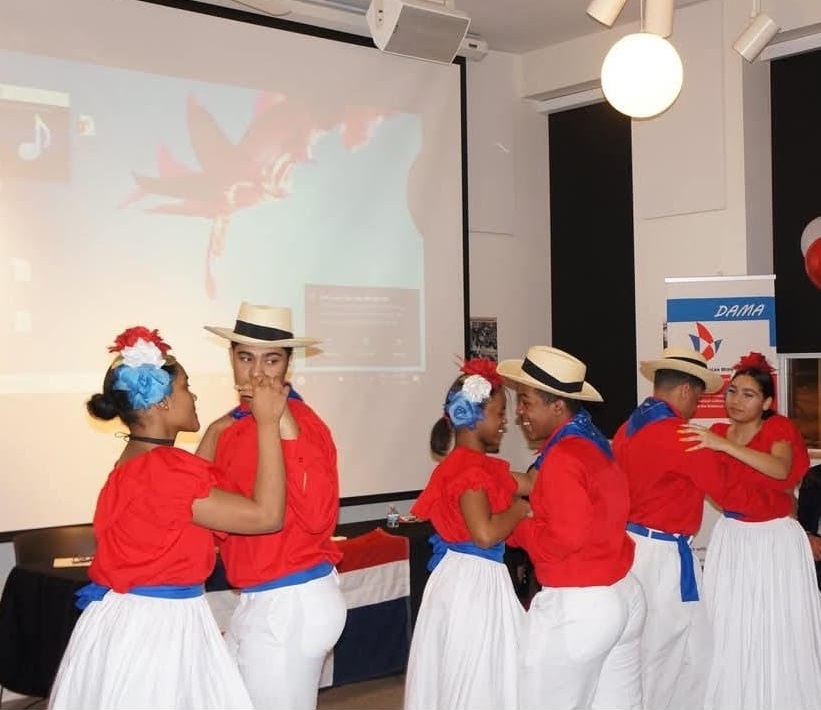
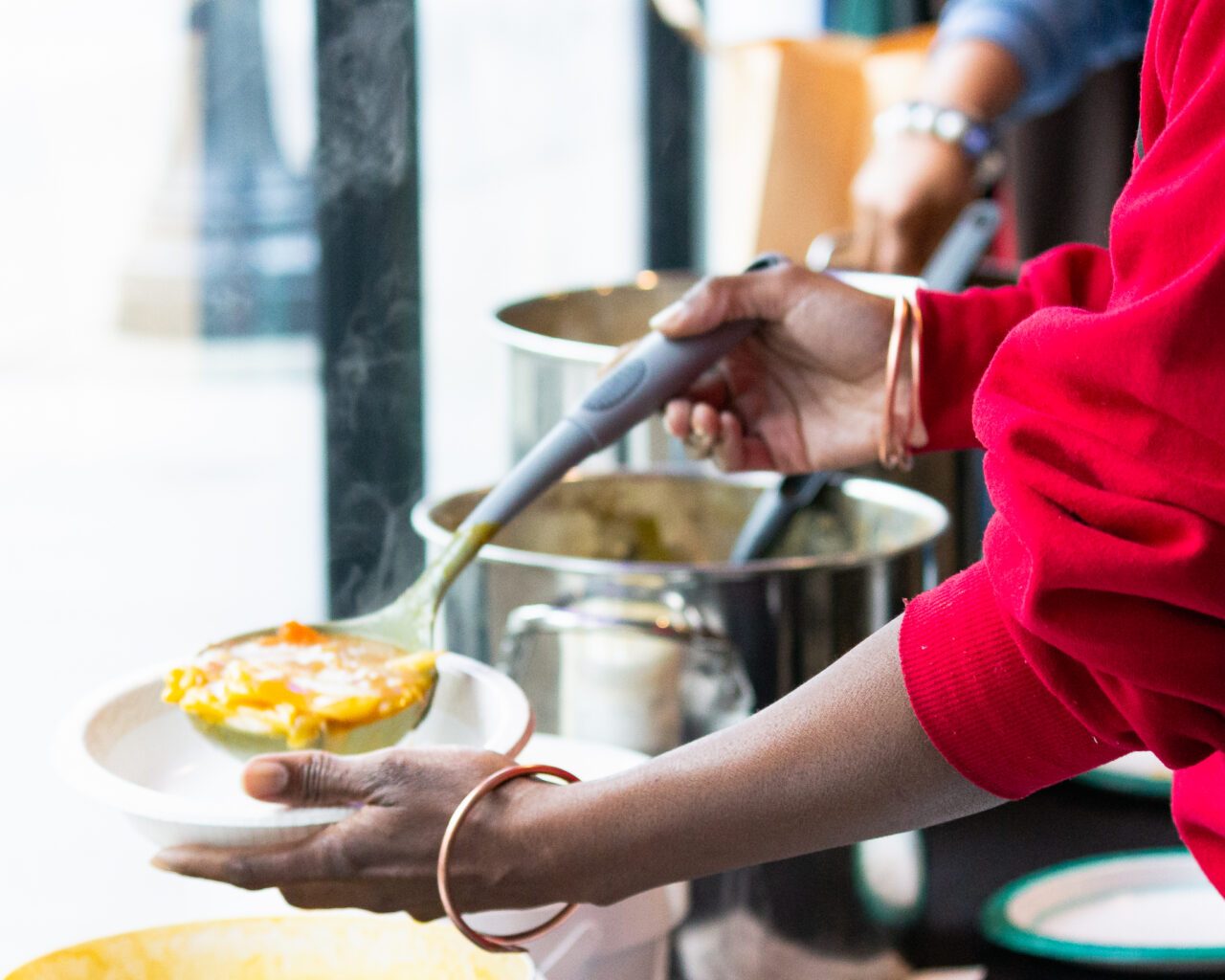
Here in Chicago, Guatemaltecos have bravely and determinedly carried on cultural traditions such as playing the marimba, sharing traditional foods, and celebrating traditional festivals. The Guatemalan Independence Day Parade takes place in Albany Park on September 6. And La Quema del Diablo (Burning of the Devil) is an annual tradition that uses fire to release the negativity from the year on December 7 in preparation for the feast day honoring the immaculate conception of the Blessed Virgin Mary on December 8. Guatemalan foods such as Pepian, Jocón, Kaq’ ik, Pepián, and plátanos en mole are being designated as UNESCO intangible cultural heritage, and you can sample them at local Guatemalan restaurants such as El Quetzal.
Additional Resources
- Read about CHM’s Indigenous Language Maintenance Project
- Listen to Efrain and Elena Regina speaking Akateko
- Sociedad Civica Cultural Guatemala
Further Reading
- Laura E. Gómez, Inventing Latinos: A New Story of American Racism (The New Press, 2020)
- Aquí en Chicago exhibition catalogue, available for purchase in the Museum Store
- “A Fiery Fresh Start: Chicagoans Release Negativity with Guatemala’s La Quema Del Diablo,” Borderless Magazine.