
Facing Freedom
Join the Suffrage Movement!
Thank you for visiting Facing Freedom at the Chicago History Museum! Many women worked for years for the right to vote. We featured four of them in the photographs on the backdrop wall for the Join the Movement selfie activity. We hope the various civic work they devoted themselves to inspires you to consider your own talents and community impact.
This list is organized to reflect the photographs left to right as they appear on the wall in the exhibition.
Fannie Barrier Williams (1855–1944)
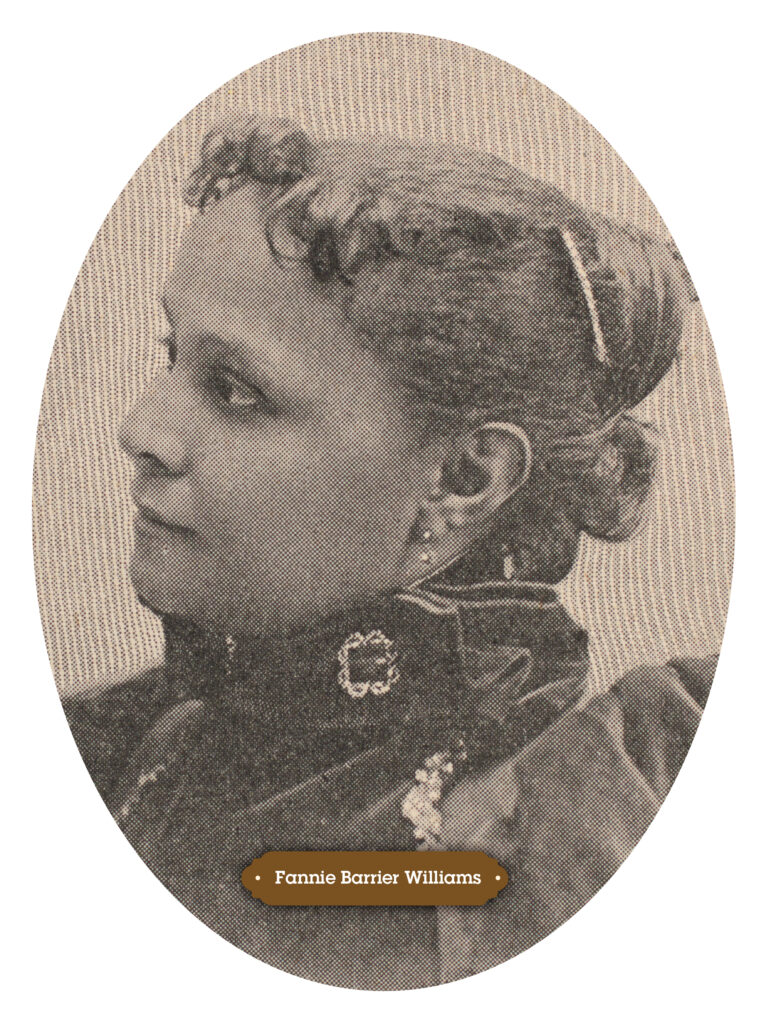 Educator, civil rights activist, and women’s rights advocate are just a few descriptors of Fannie Barrier Willams, who spent her life advocating for African American rights and citizenship. In 1891, she successfully campaigned for the Illinois school suffrage bill, allowing women to vote in school elections. She was a leader in organizing Black women nationally, as one of the founders of the National League of Colored Women. In 1895, she represented Illinois’s Black clubwomen at the Colored Woman’s Congress in Atlanta. She was the first Black woman to gain membership to the Chicago Women’s Club. She was a key supporter of important Black organizations including Provident Hospital and the Phyllis Wheatley Home for Girls.
Mary Richardson Jones (c. 1819–1909)
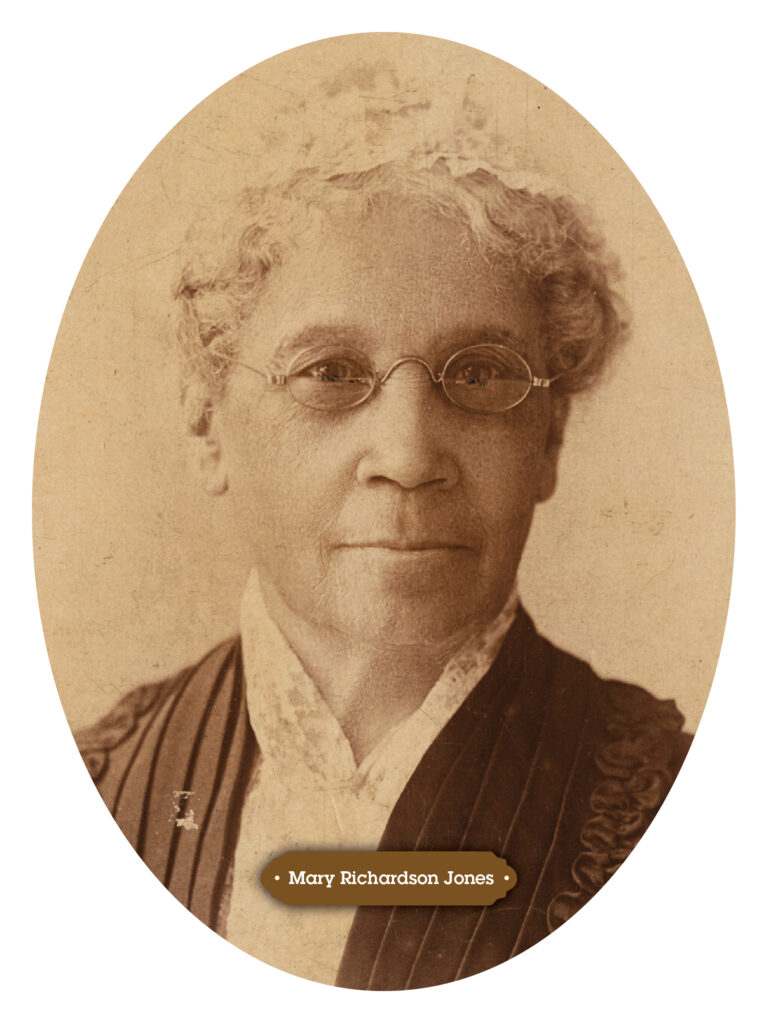 In addition to fighting for women’s suffrage, Mary Richardson Jones, a free Black woman, also fought to end slavery. She and her husband, John Jones, opened their home to serve as a stop on the Underground Railroad. Richardson Jones also assisted in her husband’s years-long effort to repeal the racist laws known as the Illinois Black Codes. After the Civil War, she turned her efforts to fighting for suffrage, even hosting Susan B. Anthony, Carrie Chapman Catt, and other suffrage leaders at her home for meetings. She was active in various Black women’s clubs and was an important financial supporter of the Phyllis Wheatley Home for Girls and a contributor to Chicago’s first housing, social services, and education institution, Hull House settlement house.
Sadie Lewis Adams (1872–1945)
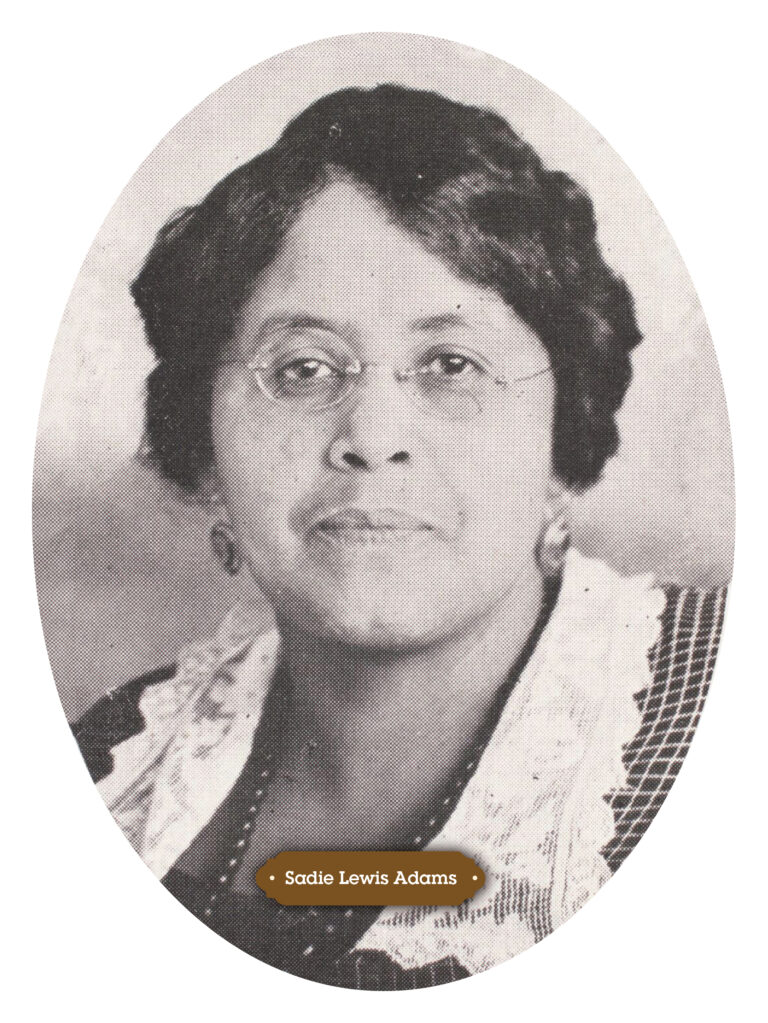 Sadie Lewis Adams was an educator, clubwoman, and suffragist in Chicago. She was an officer in the Alpha Suffrage Club, which was Illinois’s first Black suffrage organization, founded by Ida B. Wells in 1913. As an officer, she helped organize efforts to register Black women voters after the Illinois Suffrage Act of 1913 granted women in the state the right to vote in presidential and most local elections. That work helped to elect the city’s first Black alderman in 1915. She continued to work for a federal amendment giving women across the country full voting rights. Lewis Adams was also one of the founders of the Douglas League of Women Voters.
Louise DeKoven Bowen (1859–1953)
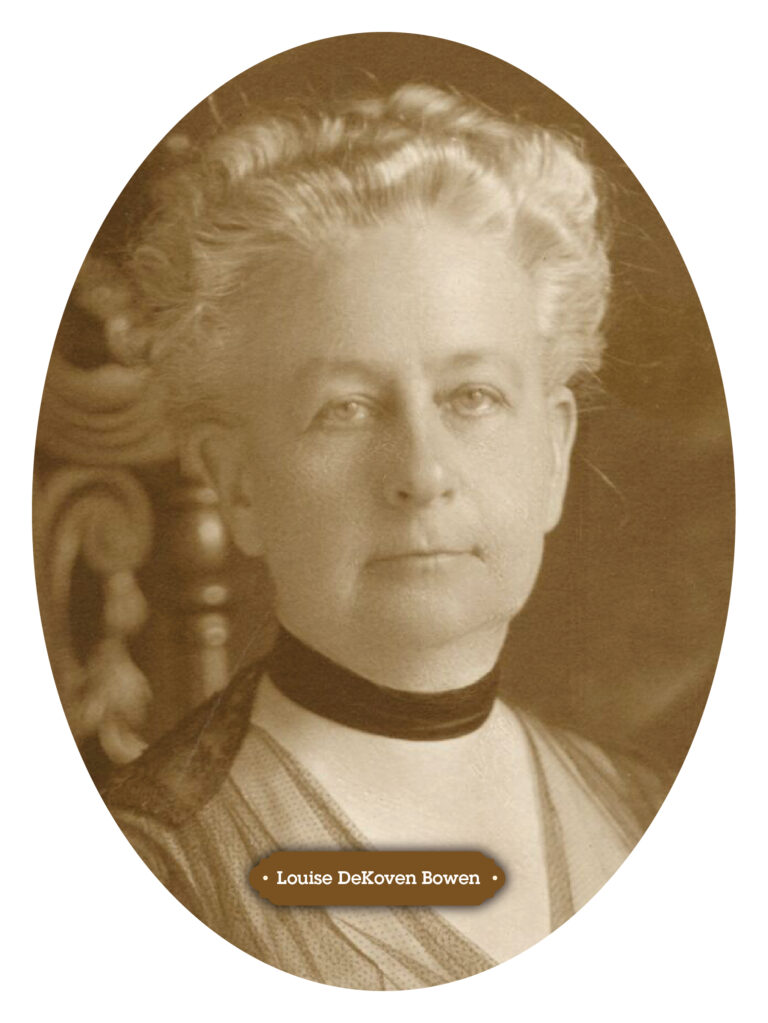 Louise DeKoven Bowen was a philanthropist, civic leader, social reformer, and suffragist. She served as president of the Chicago Equal Suffrage Association and vice president of the Illinois Suffrage Association. She toured and spoke for suffrage throughout the country. DeKoven Bowen worked with the settlement movement at Hull House. She advocated for court reform for youth via the Juvenile Protective Association, where she served as the first president. DeKoven Bowen authored studies including the 1913 report “The Colored People of Chicago,” which detailed “racial prejudice and discrimination in education employment, housing, law enforcement, and entertainment.”
Learn more
For more information about the suffrage movement and the varied organizations and causes these four women worked to advance, visit these online resources:
Websites and Online Exhibitions
- Democracy Limited: Chicago Women and the Vote
- Facing Freedom
- Concert is Power: The Opposition to Illinois’ “Black Laws”
CHM Blog Posts
- The Black Nurses of Provident Hospital
- Elizabeth Lindsay Davis: “Lifting As We Climb”
- CHM Resources on Lucy Parsons, Ida B. Wells-Barnett, and Jane Addams
- Fighting for the Right to Vote